


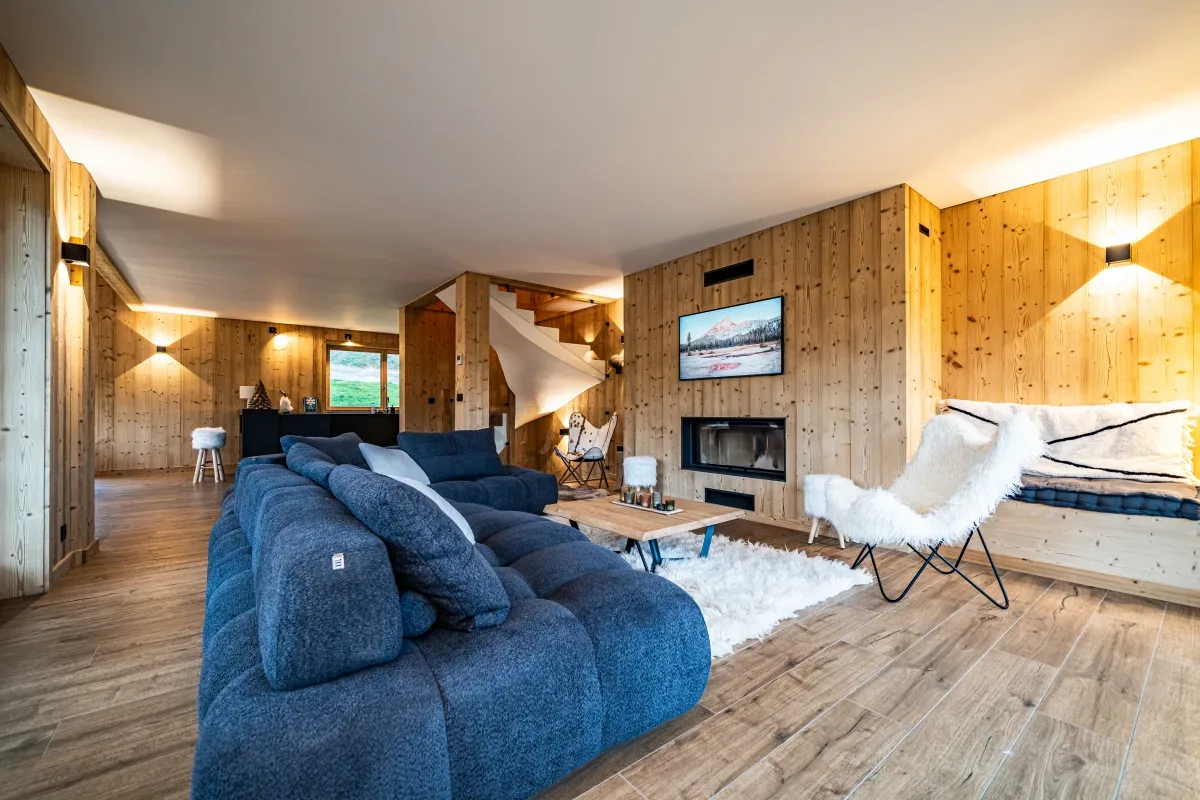
In holiday resorts, occupancy rates are not determined solely by the February half-term holidays. The properties with the highest occupancy rates are those whose owners take a year-round approach, combining a well-thought-out offering across multiple seasons, pricing that genuinely responds to demand, impeccable listings and a warm welcome that generates positive reviews. Each of these factors can be actively managed, and their effects are cumulative.
Capitalising on both seasons, not just winter
The first mistake is to view a mountain property as a product exclusively for winter. Yet summer has become a genuine season in the mountains, driven by hiking, mountain biking and the search for cooler temperatures during heatwaves in the lowlands. Megève, Chamonix and Les Deux Alpes offer a wide range of summer activities (marked trails, bike parks, via ferrata, high-altitude lakes) that appeal to families and sports enthusiasts alike.
Some resorts have specific selling points to highlight. Les Deux Alpes, for example, is known for its summer glacier skiing - a rare feature that allows it to target customers in the off-season when most ski areas are closed. You should therefore tailor your marketing: the same advert can be adapted into a winter version (skiing, cosy getaways, open fires) and a summer version (nature, high altitude, outdoor activities), with photos and text consistent with the season in question.
Also consider bookings outside school holidays: remote working in the mountains, short wellness breaks, and long weekends. A comfortable and well-equipped property can capture this scattered demand, which specifically fills the off-peak periods.
Dynamic pricing that follows demand
A fixed annual rate inevitably means leaving money and guest nights on the table. Demand in a resort varies significantly depending on several factors that you need to factor into your pricing structure:
- School holidays, taking into account the different French school zones and the holidays in several neighbouring countries, which shift peak visitor numbers.
- Local and sporting events (competitions, festivals, resort highlights) which create occasional spikes in demand.
- Snow cover and weather conditions; good snow cover or forecasts of fine weather drive up last-minute bookings.
- Booking lead times, with price increases as the calendar fills up and targeted offers to fill any upcoming gaps.
In practical terms, raise your prices during weeks of very high demand and be more flexible during quieter periods. Many owners rely on dynamic pricing tools or the support of a concierge service to automate these adjustments without having to spend their evenings on them. The aim isn’t to sell at a loss, but to align the price with the true value of each night’s stay.
An optimised listing that drives clicks
When prices and locations are comparable, it’s often the quality of the listing that makes the difference to the conversion rate. Start by investing in professional, well-lit and recent photos showing every room, the view and the atmosphere depending on the season. A striking first photo accounts for a large proportion of clicks.
Next, highlight the features that really matter for a skiing holiday. Proximity to the ski lifts is crucial: if your property is ski-in ski-out or just a few minutes’ walk from a chairlift or the shuttle bus, state this clearly right from the title. Be honest about distances rather than being vague.
Finally, list the sought-after amenities that reassure guests and justify the price:
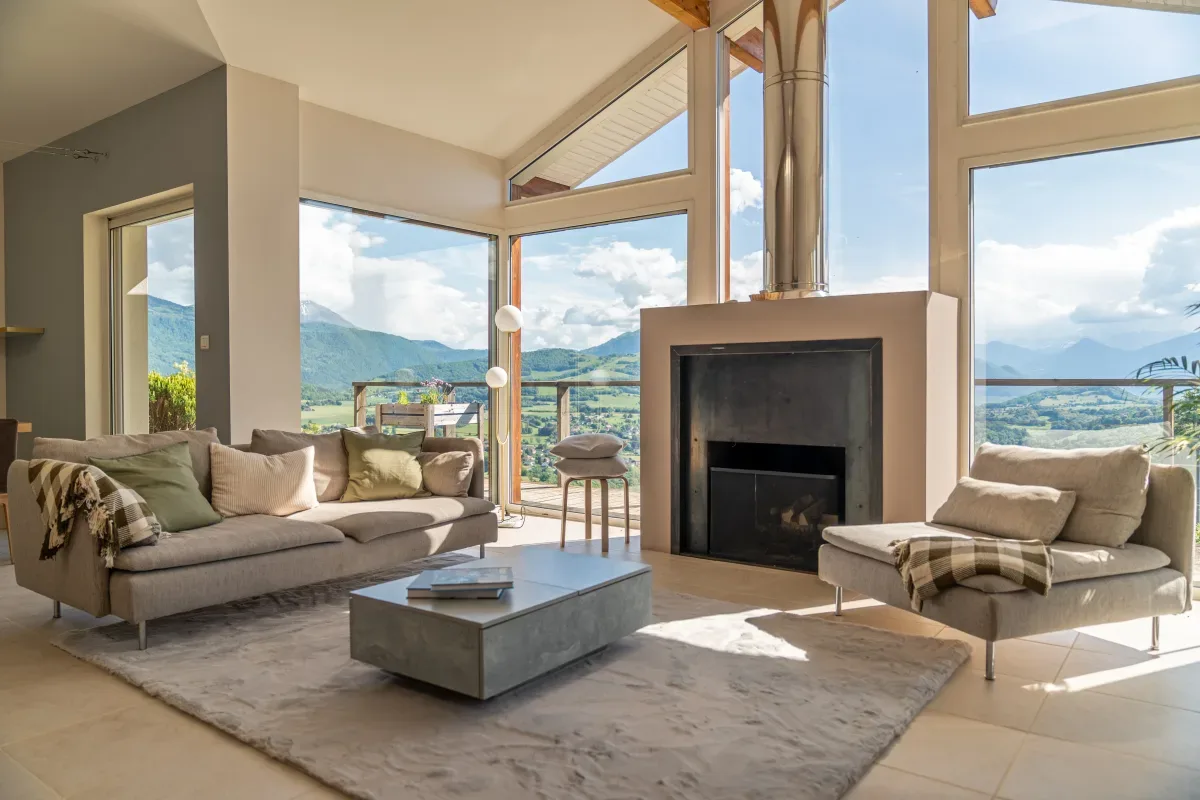
- A fireplace or wood-burning stove, which are highly prized for their winter ambience.
- A spa, sauna or Nordic bath, which sets your property apart in the premium segment.
- A heated ski locker or dedicated ski room, appreciated by families travelling with lots of kit.
- A parking space or garage, which is often hard to come by and expensive in ski resorts.
- Comforts that extend the season: good insulation, reliable Wi-Fi, a fully equipped kitchen, and ventilation or air conditioning for the summer.
A structured description, without exaggeration, containing precise practical information (actual capacity, bedding, access, terms and conditions), reduces hesitation and avoids unpleasant surprises.
Minimum stay requirements and filling the off-peak periods
Managing minimum stay lengths is a lever that is often underestimated. In high season, requiring a full week from Saturday to Saturday secures your best nights’ accommodation and simplifies cleaning logistics. Conversely, an overly rigid minimum stay during the off-peak period means you miss out on short-term bookings.
Best practice involves flexibility: a strict minimum during peak weeks, followed by a gradual easing of restrictions for the start and end of the season and the off-peak periods, whilst accepting short stays and single nights that fall between two bookings. It is precisely these gaps, filled one by one, that add several percentage points to your annual occupancy rate.
Reviews and hospitality: the driving force
Finally, no strategy can be sustained in the long term without a steady stream of positive reviews. On booking platforms, a consistently high rating improves your visibility and reassures prospective guests, fuelling a virtuous cycle of bookings. These reviews are built on flawless hospitality: a smooth arrival (clear self-check-in or in-person handover), spotless accommodation, heating set up on arrival, practical information to hand, and a prompt response to any queries.
Pay attention to the details that leave a lasting impression: a few local recommendations, essentials ready for use, and a quick response in the event of the unexpected. Many hosts rely on a concierge service to ensure this consistency, season after season, even when they are not on site.
None of these factors works like magic on its own. It is their combination - a well-thought-out year-round offering, prices that respond to demand, a flawless listing, a flexible booking policy at the right times, and impeccable hospitality - that drives a sustained increase in occupancy rates. For an analysis tailored to your property and your resort, please do not hesitate to contact a professional property management specialist.