



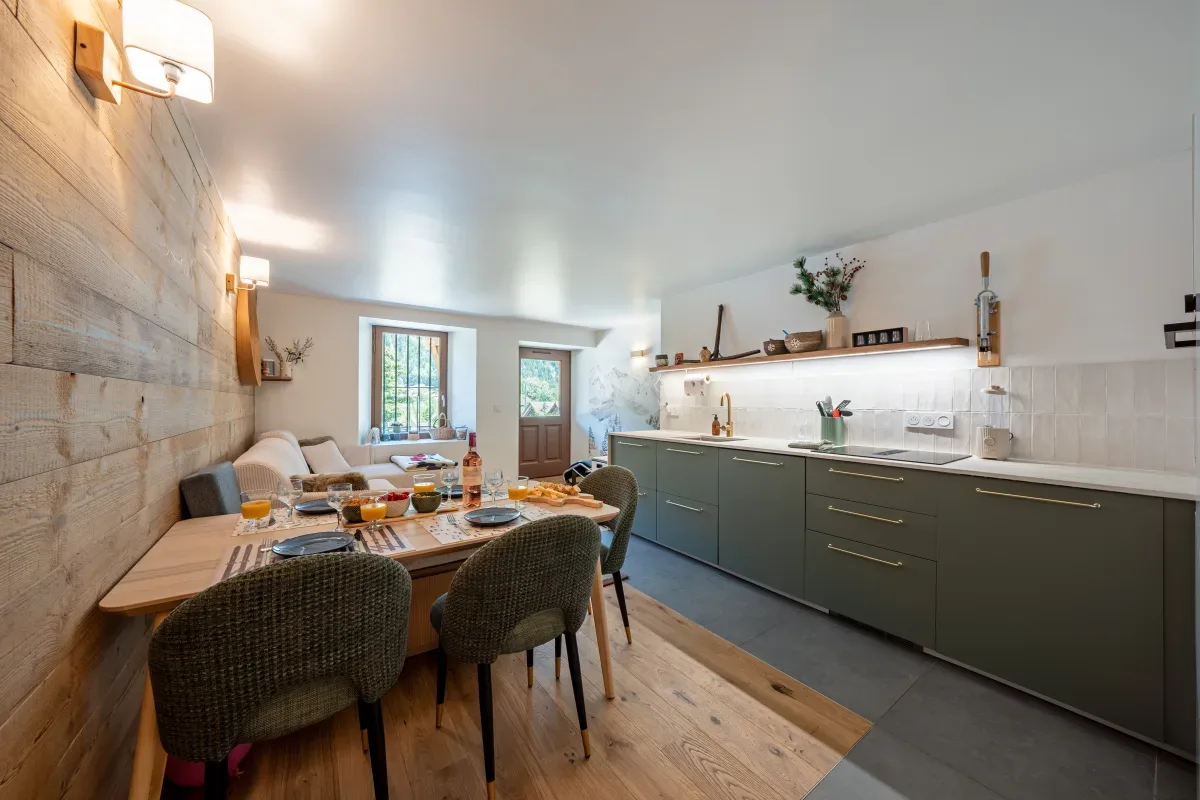
In the luxury holiday rental sector, the welcome is the first thing on which a traveller judges you, and often the last thing they remember when leaving a review. A magnificent property with a poor welcome disappoints; a much more modest property with a perfect welcome delights. The good news is that the quality of the welcome is becoming standard practice. Here is the checklist we apply to the properties we manage, from the Alps to the Gulf of Saint-Tropez.
Before arrival: plan ahead to put guests at ease
A relaxed guest is one who has received everything they need even before they set off. Pre-arrival communication is ideally prepared in two stages: a confirmation message after booking, followed by a detailed message 24 to 48 hours before check-in.
This final message must include, at the very least:
- The exact address and clear directions (by car, public transport, parking), including the precise parking spot.
- Unambiguous check-in and check-out times.
- How to access the accommodation: key box code, door code, or arrangements for a face-to-face handover.
- A contact number that can be reached in the event of a delay or unforeseen circumstances.
Pay as much attention to the tone as to the content. A warm, personalised message addressing the traveller by their first name immediately establishes a relationship of trust. Also check that your instructions are still up to date: a changed code, a road under construction or a relocated key box can cause stress and lead to repeated messages.
Check-in: seamless, whatever the option
There isn’t just one right way to arrive, but every method should be seamless. Travellers increasingly value independence, particularly when arriving late.
Self-service check-in relies on a secure key box or, better still, a smart lock that generates a unique code for each stay. This solution eliminates the need for coordination and provides peace of mind for last-minute arrivals. Test the system regularly: a smart lock running out of battery on the day of arrival turns an asset into a disaster.
In-person check-in, however, remains irreplaceable for premium properties or for first-time guests. It allows you to show guests around the property, explain how to use sensitive equipment and build a personal connection. If you cannot be there in person, a concierge service can step in and ensure a professional presence at the agreed time.
Whichever option you choose, always have a plan B in place: an emergency contact who can step in if the guest is locked out.
The welcome booklet: a guide to your stay
A good welcome booklet prevents many questions and conveys an organised and professional image. It can be printed, presented in an attractive folder, or made available digitally via a QR code. The ideal approach is often to combine both.
A comprehensive booklet covers:
- Wi-Fi: network name and password, displayed clearly and immediately.
- How the appliances work: heating, air conditioning, water heater, dishwasher, television, hobs, shutters. An appliance that isn’t properly understood is a source of frustration.
- House rules: quiet hours, waste management and recycling, pet guidelines, no smoking, maximum occupancy.
- Safety instructions: location of the electricity meter, water main valve and fire extinguisher, as well as emergency numbers.
- Useful local addresses: bakeries, markets, restaurants, beaches or trails, activities. This is where you add real value, by sharing your knowledge of the area.
Keep this booklet up to date: a closed business or out-of-date opening hours undermines the whole thing.
Cleanliness, linen and thoughtful touches: the details that make a difference
Cleanliness is the most frequently mentioned criterion in reviews, and the most unforgivable shortcoming if it’s lacking. Aim for hotel standards: spotless surfaces, immaculate bathrooms, clean floors, and no trace of the previous stay. A quality check after each clean, ideally carried out by someone other than the cleaner, ensures this high standard is maintained.
Linen makes all the difference to the guest experience. Thick, white bed and bathroom linen, free from stains or wear and tear, immediately evokes a sense of comfort. Ensure you have sufficient quantities and replace worn items without hesitation.
Finally, it’s the little touches that guests remember. They don’t need to be expensive:
- High-quality welcome amenities: soap, shower gel, shampoo and a supply of toilet paper.
- A starter kit for the kitchen: coffee, tea, salt, oil, a few essentials.
- A handwritten welcome note, sometimes accompanied by a local treat (a bottle of local wine, a few biscuits).
These gestures show that the traveller is welcome, not merely being put up.
During and after the stay: stay in touch, then ask for feedback
A successful welcome doesn’t end when the keys are handed over. Support available seven days a week, with a prompt response to any issues (a faulty appliance, a practical query), reassures guests and defuses most dissatisfaction before it turns into a negative review. A clear channel of communication and a prompt response are often better than an immediate resolution.
After departure, one final gesture matters: the thank-you message. Sent shortly after check-out, it thanks the guest, checks that everything went well, and politely invites them to leave a review. Written simply, without being pushy, it significantly increases the response rate. And it is these reviews, accumulated stay after stay, that build your property’s reputation and justify both a higher occupancy rate and a better rate.
Each of these steps can be replicated. Together, they form a welcome that leaves nothing to chance, and is entirely down to a well-thought-out approach.