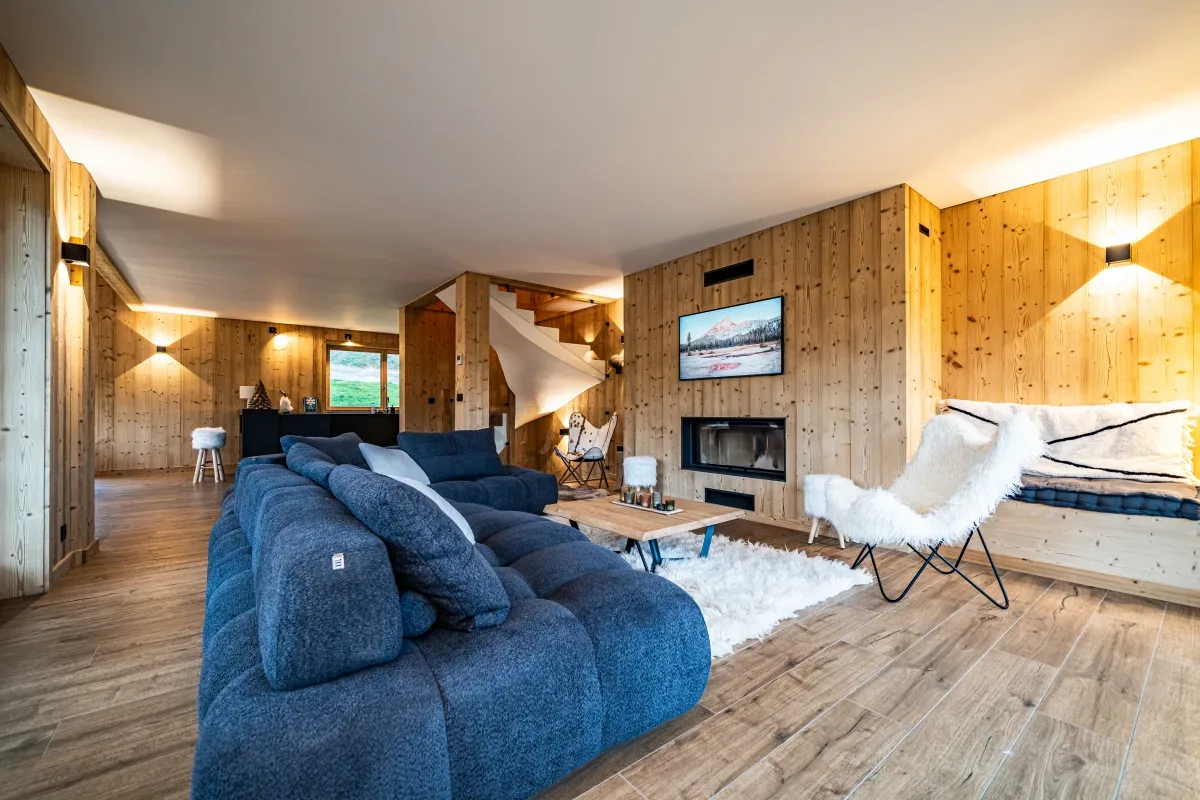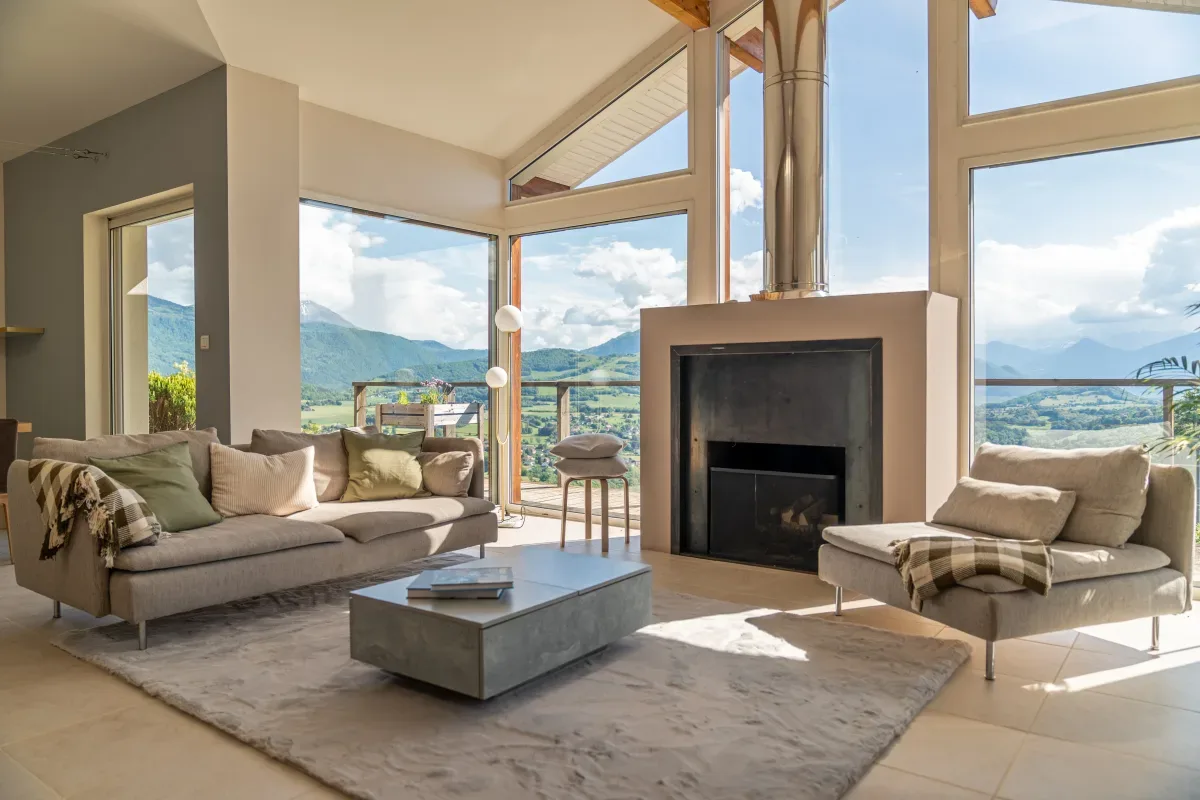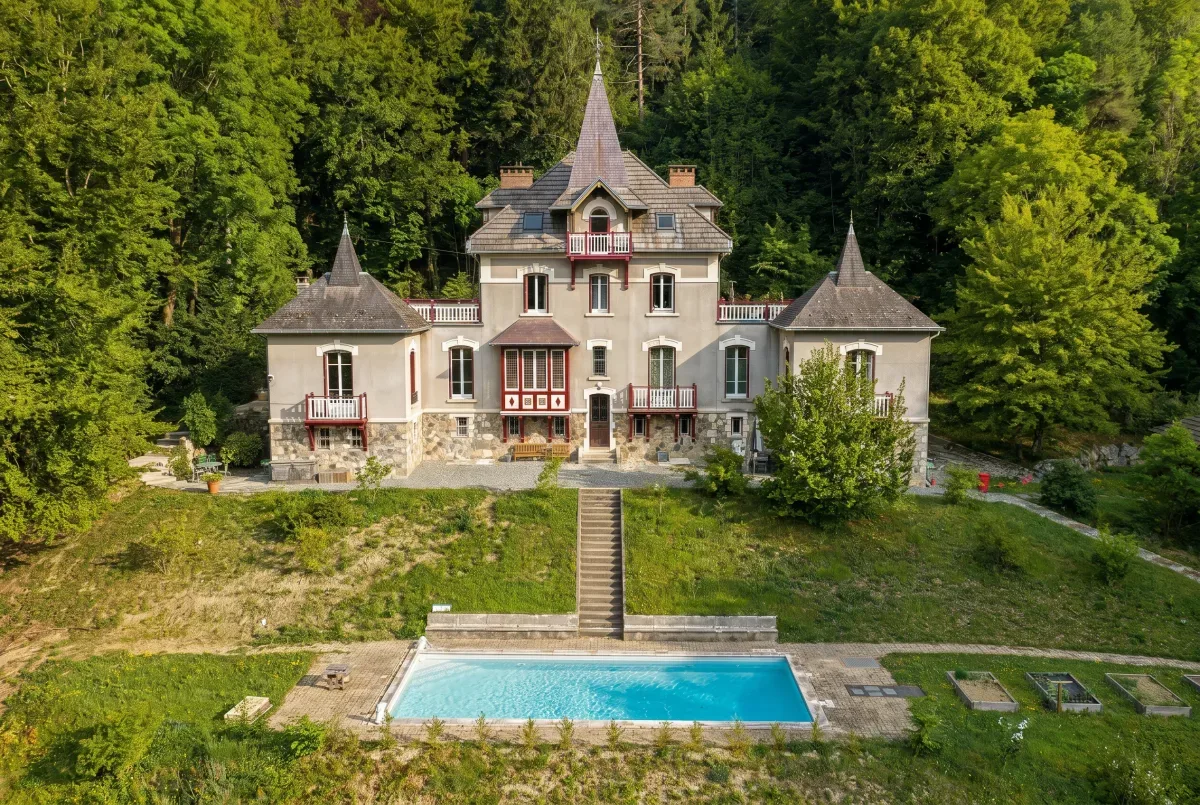



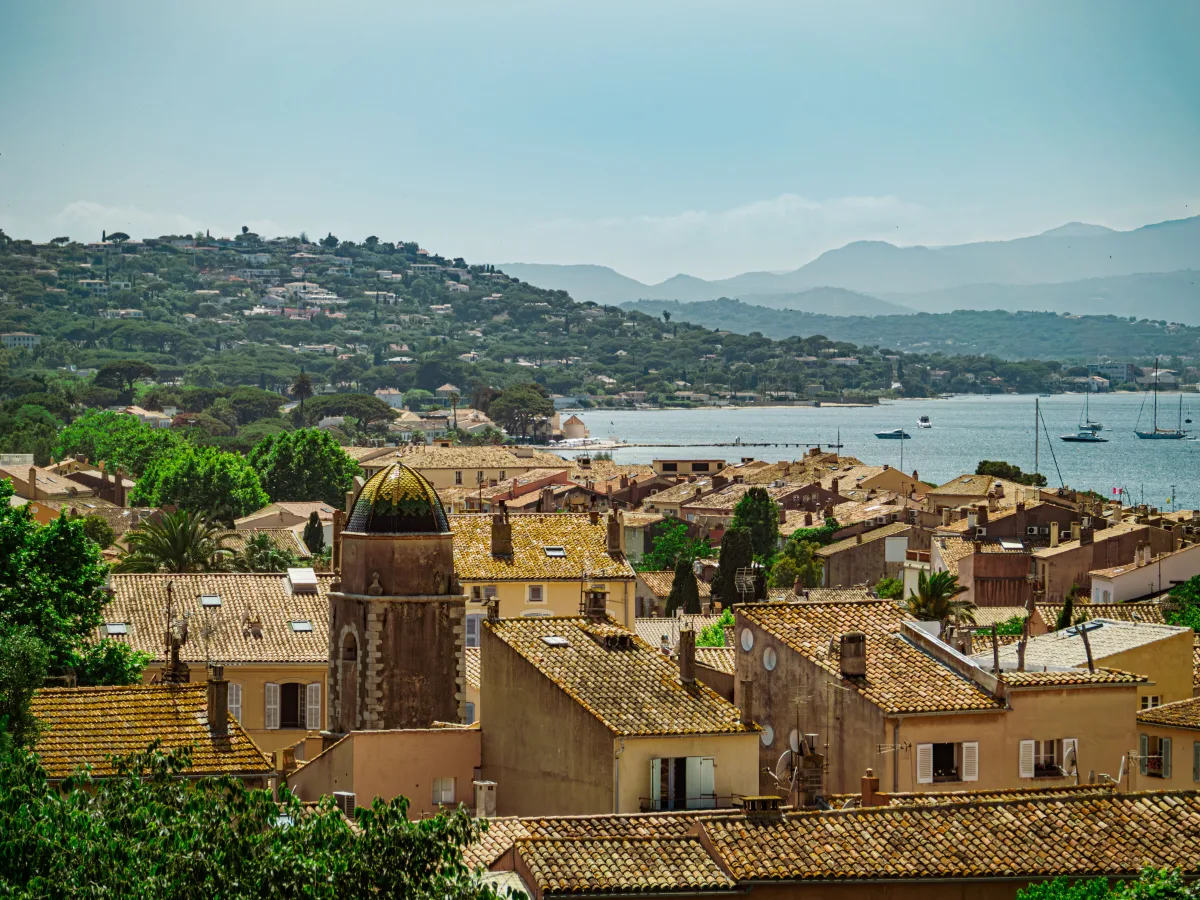
The Gulf of Saint-Tropez boasts some of the highest rental demand in France, but it is also among the most demanding. Renting here does not follow the same logic as a city-centre property that is available all year round. Value is built up over a few weeks, amongst a clientele who compare options, are familiar with international standards and will not tolerate anything less than perfection. Understanding these specific characteristics before you begin will help you avoid disappointment and position your property correctly.
A short, intense season with high value
The first distinctive feature of the Côte is its marked seasonality. The bulk of demand is concentrated in the summer months, with a very clear peak around July and August. The months of May, June and September offer an attractive shoulder season, often sought after by guests looking to avoid the crowds, but winter remains quiet compared to the Alps.
This concentration has a direct consequence: every week of the high season counts. A property that is poorly prepared in June means a significant portion of its annual potential goes to waste. Conversely, the scarcity of premium accommodation during these weeks allows a truly high-quality property to command a premium price. The aim is not to maximise the number of overnight stays, but to secure the best weeks at the right price point, with a calendar released early and pricing adjusted to peak and off-peak periods.
An international and discerning clientele
The Gulf attracts French travellers, but also a clientele from Europe, North America and the Middle East who are accustomed to luxury accommodation. This clientele arrives with specific expectations: prompt responses to enquiries, often in English; clear information prior to booking; accurate photographs; and honest descriptions. Any discrepancy between what is promised and what is actually delivered immediately results in disappointment, a mixed review and a lasting impact on the property’s visibility.
In practical terms, the preparation beforehand is just as important as the property itself. A well-presented profile, prompt replies, a smooth check-in and a comprehensive welcome pack are part of the expected standard, not a bonus. It is often these details, rather than the number of rooms, that determine whether a high-end booking is made.
Services expected in the premium segment
In this market, certain facilities are no longer unique selling points but prerequisites. A property positioned at the top end of the market generally needs to offer:
- A swimming pool, well-maintained and secure, which is often a decisive factor in the choice.
- Air conditioning, essential during the height of the Mediterranean summer.
- Attractive outdoor areas: a terrace, a landscaped garden, shaded areas and dining spaces, and unobstructed views where the property allows.
- Impeccable quality of finish and bedding, on a par with a luxury hotel.
Beyond the facilities, clients increasingly value the services on offer. A private chef, transfers from the airport or heliport, daily cleaning, restaurant or boat bookings: these concierge services transform a simple holiday let into an exceptional stay. They are not always included, but their availability - even as an optional extra - plays a key role in the property’s positioning and its ability to justify a high price.
Standing out in a competitive market
The Gulf’s appeal attracts a great many properties to online platforms. Competition is fierce, even at the luxury end of the market. Standing out isn’t about piling on the superlatives, but about the overall consistency of the offering: a property of genuine quality, presented with professional photographs, described accurately and managed to the highest standard.
A consistent stream of positive reviews is the best long-term asset. A satisfied traveller becomes an ambassador, sometimes returning year after year and recommending the property to others. It is this consistent quality, rather than any one-off trick, that secures a property’s long-term position in this segment.
Local regulations to be checked on a town-by-town basis
The regulatory framework for holiday lettings varies significantly from one local authority to another, and the Gulf region has several highly sought-after local authorities where the rules can be strict. Depending on the town, you may be subject to requirements such as registering with the town hall, registering the let, specific rules for second homes, or even procedures for changes of use or compensation in the most sought-after areas.
In Saint-Tropez, as in some neighbouring municipalities, these requirements should be checked carefully before letting, as they are subject to change and depend on the property’s status (main or second home) as well as its location. The collection and payment of tourist tax are also key points that should not be overlooked. If you are in any doubt about your tax situation or the applicable regulations, contact your local council and a chartered accountant: this is the best way to let your property with peace of mind and in full compliance with the law.
The benefits of local management
Bringing all these elements together - seasonality, client expectations, premium services, differentiation and regulatory compliance - requires a local presence and in-depth knowledge of the area. This is where local management really comes into its own. A local contact based in the Gulf region is familiar with the practices of each local authority, has a network of service providers to organise the services required, and can act swiftly during the peak season. For a property owner, this ensures their property is valued at its true worth whilst relieving them of the operational burden of a market where every detail counts.